Fixed or floating rate: which should you pick when you swap?
Most instant exchanges offer two kinds of rate. One locks in your amount, the other follows the market. Here is when each one makes sense.
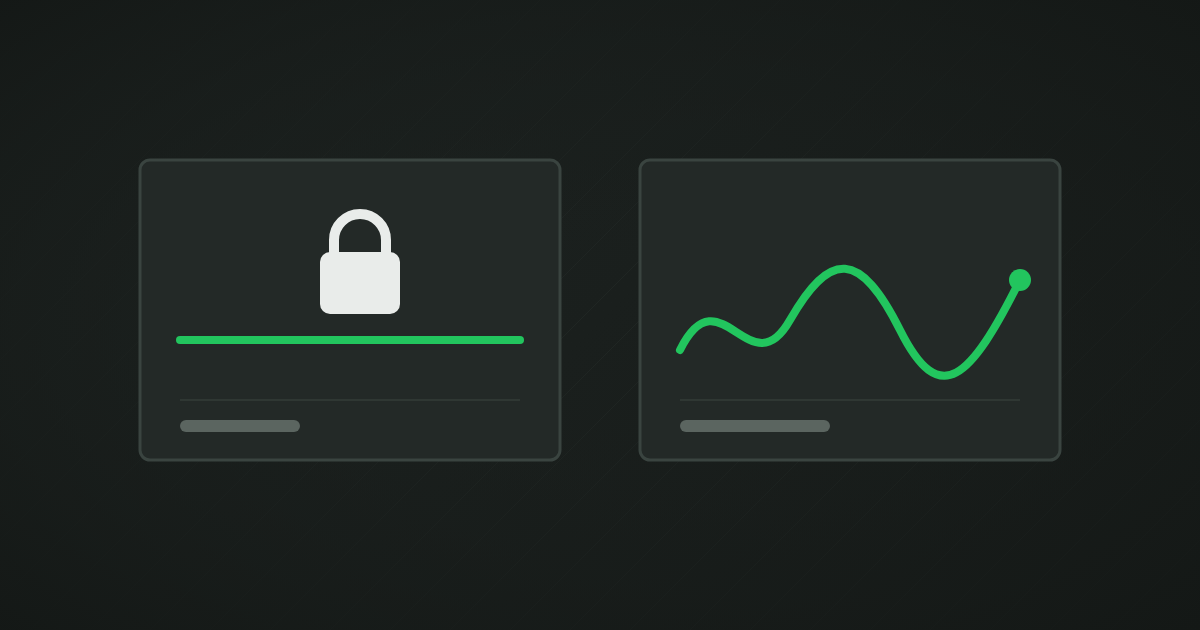
When you start a swap, most instant exchanges ask you to choose between a fixed and a floating rate. The choice decides who carries the risk if the price moves while your coins are on their way.
Floating rate
With a floating rate, the exchange quotes an estimate. The final amount is calculated when your deposit arrives and is confirmed, at the market price at that moment.
- Usually cheaper. The exchange carries no price risk, so it charges less.
- The amount can change. If the market moves while you wait for confirmations, you get a little more or a little less.
Fixed rate
With a fixed rate, the amount you receive is locked when you create the order, as long as you send within a time window, often 10 to 30 minutes.
- Predictable. You know exactly what will arrive.
- More expensive. The exchange builds a buffer into the rate to protect itself from price moves.
- Strict deadlines. If your deposit arrives late, the order may switch to floating or need a refund.
Which one to choose
| Situation | Better choice |
|---|---|
| You need an exact amount, for example to pay someone | Fixed |
| The market is calm and you want the best price | Floating |
| You are sending from a slow chain or a busy network | Floating (fixed may expire) |
| Prices are moving fast and you want certainty | Fixed |
A few practical tips
- Send the exact amount shown for a fixed-rate order, in one transaction.
- Pay a normal network fee, so your deposit confirms on time.
- Compare the final amount, not the headline fee. Two exchanges with the same fee can give different results.
On KYCHunter each exchange shows which rate types it supports, and you can filter for fixed-rate exchanges.