Blog
News, explainers and practical notes on crypto privacy, from the KYCHunter team.
 Your ID is only as safe as the least careful exchange that has itEvery KYC check leaves a copy of your passport on someone else's server. Here is why that matters for crypto users, and what you can do about it.Read the post
-
 Monero vs Zcash: two very different roads to private moneyBoth coins promise privacy, but they get there in opposite ways. One hides everything by default, the other lets you choose. Here is what that means in practice.
-
 How blockchain analytics flags your coins, and what "tainted" really meansExchanges run every deposit through risk-scoring tools. Here is how those tools decide your coins look suspicious, and why innocent users get caught.
-
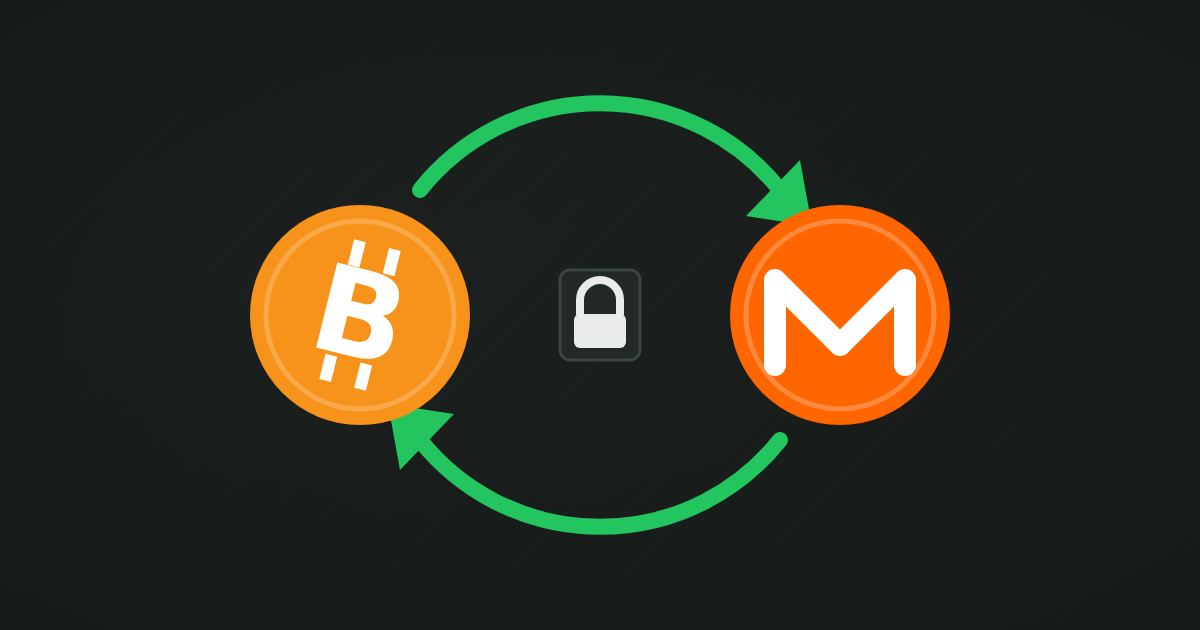 Atomic swaps explained: trading BTC for XMR with no one in the middleAn atomic swap lets two people trade coins on different blockchains without trusting each other or any exchange. Here is how it works, in plain language.
-
 A 10-step checklist for swapping crypto privatelySmall habits make the biggest difference. Run through this list before every swap and you will avoid most of the mistakes that expose people.
-
 Self-custody 101: if you do not hold the keys, you do not hold the coinsLeaving coins on an exchange means trusting it with everything. Here is how to hold your own crypto safely, without making it complicated.
-
 Running your own node: the privacy upgrade most people skipLight wallets quietly tell someone else's server which addresses are yours. Running your own node fixes that. It is easier than it sounds.
-
 Private does not mean off the books: keeping records for yourselfUsing no-KYC tools is legal in most places, and taxes still apply. A simple private record keeps you safe without giving your data to anyone.
-
 Your swap is on hold: what to do, step by stepAn exchange has your coins and wants answers. Do not panic, and do not send anything else yet. Here is how to handle it calmly.
-
 Stablecoins and privacy: why your dollars on-chain can be frozenStablecoins feel like cash, but the companies behind them can freeze any address. Here is how that works and what it means for private users.
-
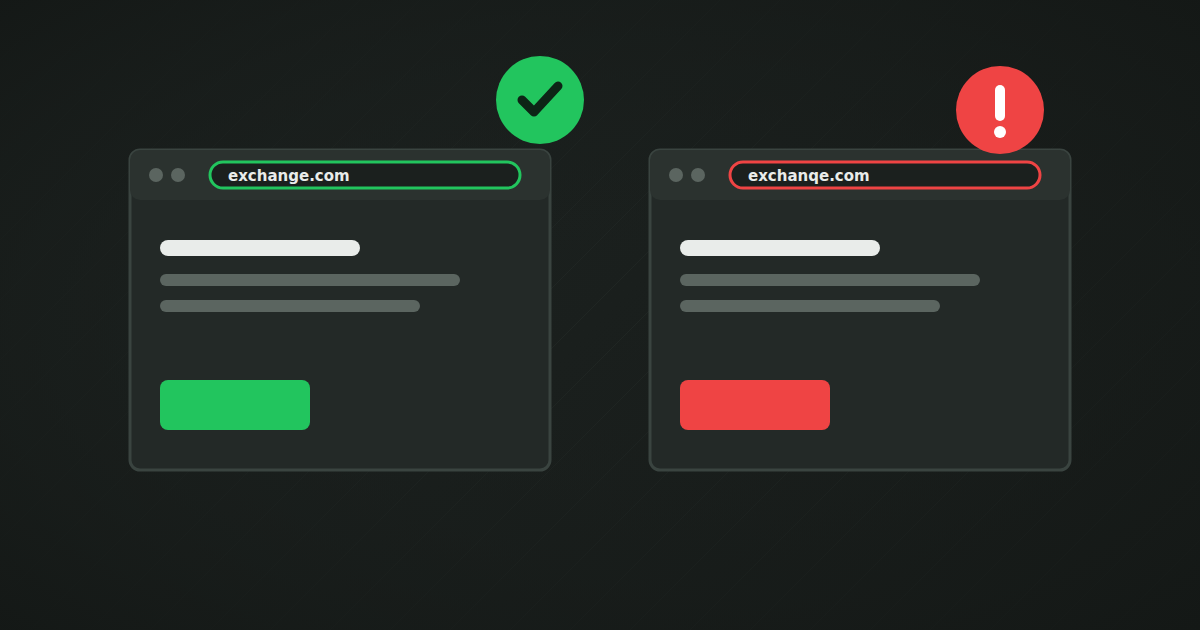 Fake exchange sites: how to spot a clone before you sendScammers copy real exchanges down to the last pixel and buy ads to put them first in search. A few checks keep you out of their hands.
-
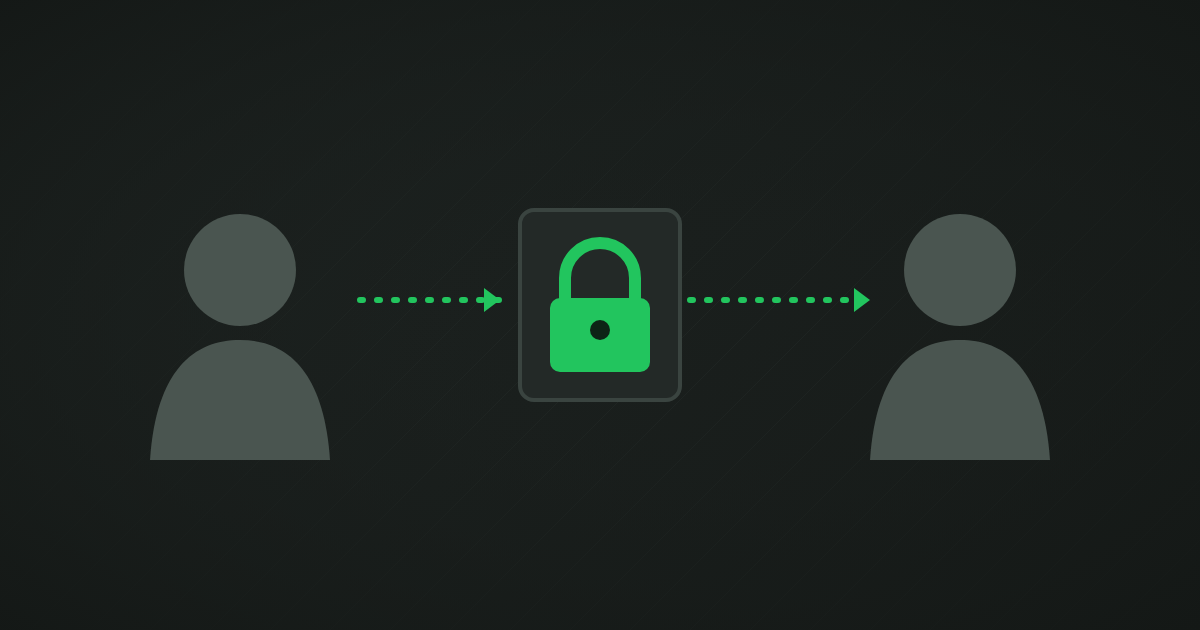 How peer-to-peer crypto trading works without an exchange in the middlePeer-to-peer markets let you buy and sell directly with another person, with escrow instead of a company. Here is how they work, and how to stay safe.
-
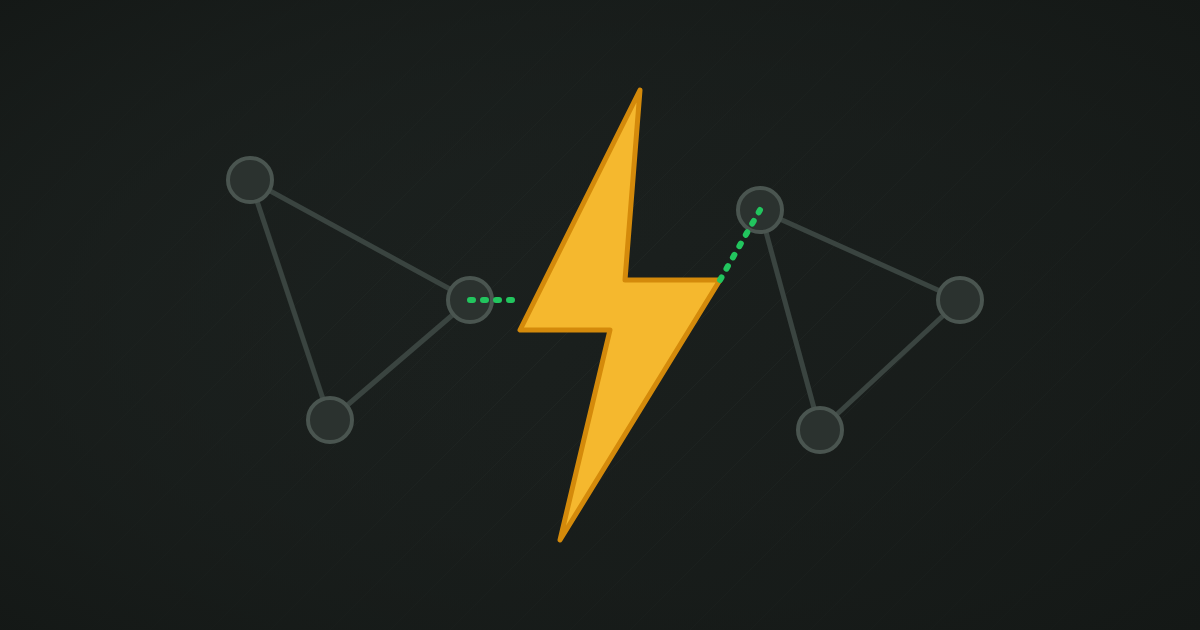 Is the Lightning Network private? Better than on-chain, with caveatsLightning payments do not land on the blockchain one by one, which helps privacy. But channels, nodes and invoices can still give you away.
-
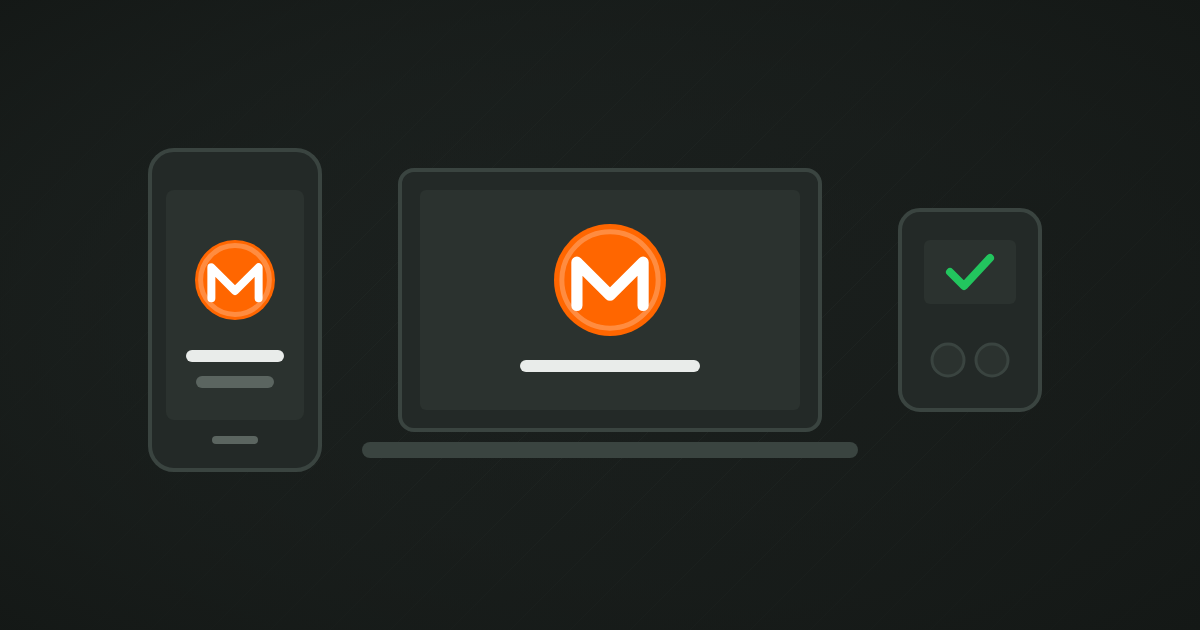 Choosing a Monero wallet: desktop, mobile, light or hardwareMonero wallets come in very different shapes. Here is what each type is good at, and what it gives up.
-
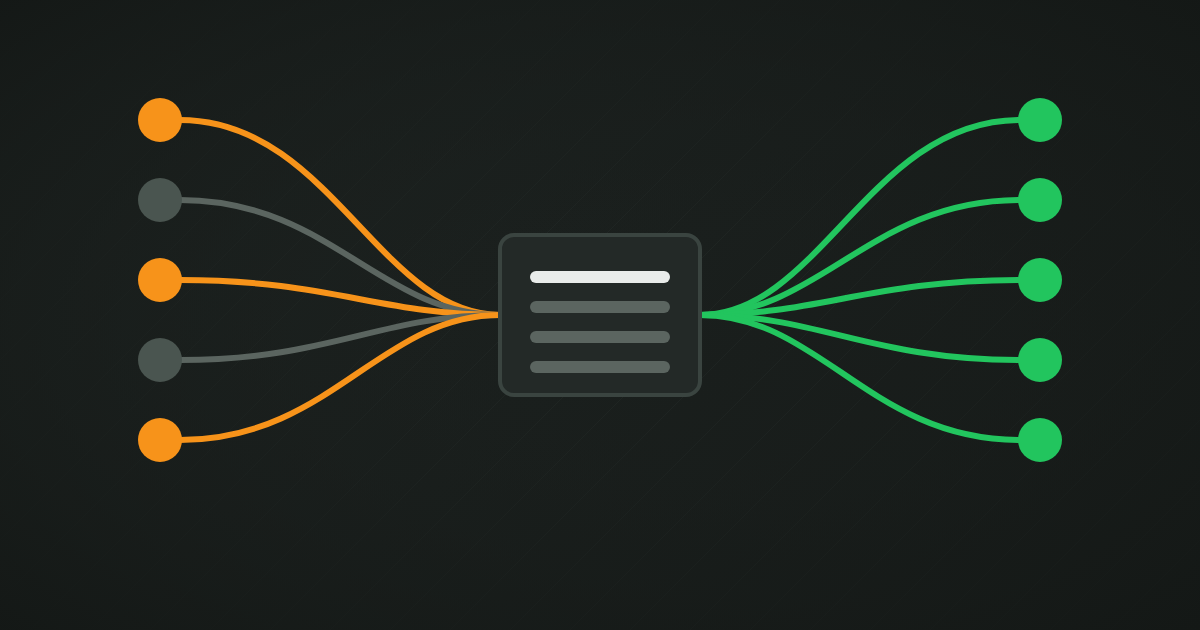 CoinJoin explained, and why some exchanges treat it as a red flagCoinJoin mixes many people's payments into one transaction to break the trail. It works, but it has trade-offs you should know before you use it.
-
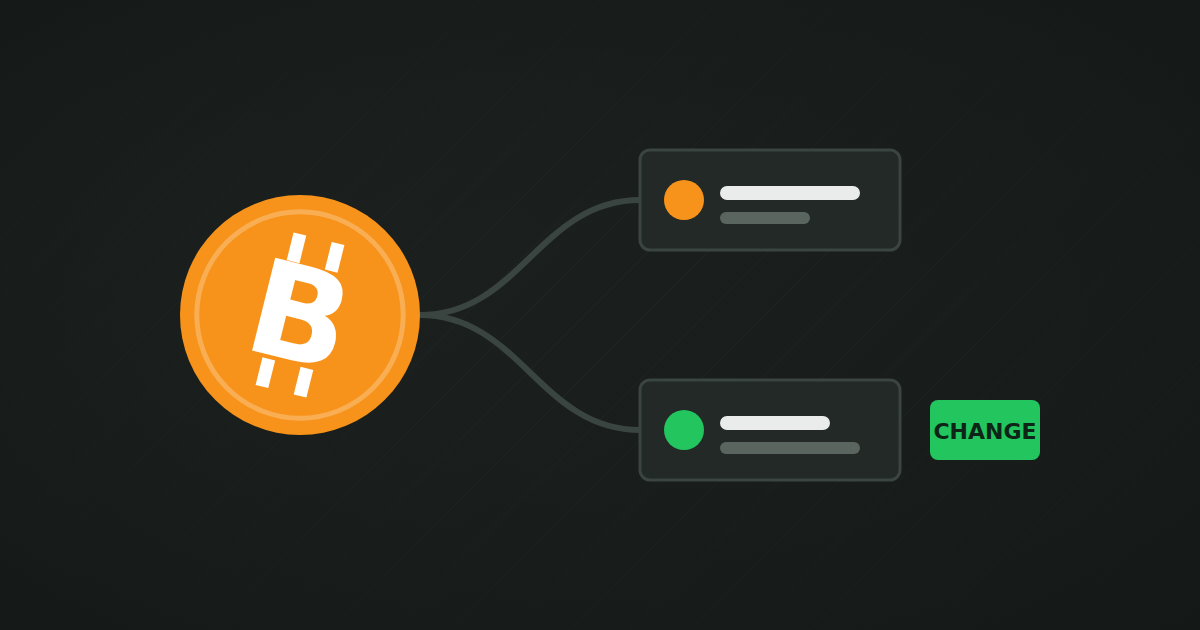 Bitcoin privacy basics: address reuse, change and coin controlBitcoin is not anonymous, but a few habits make a big difference. Here are the three that matter most.
-
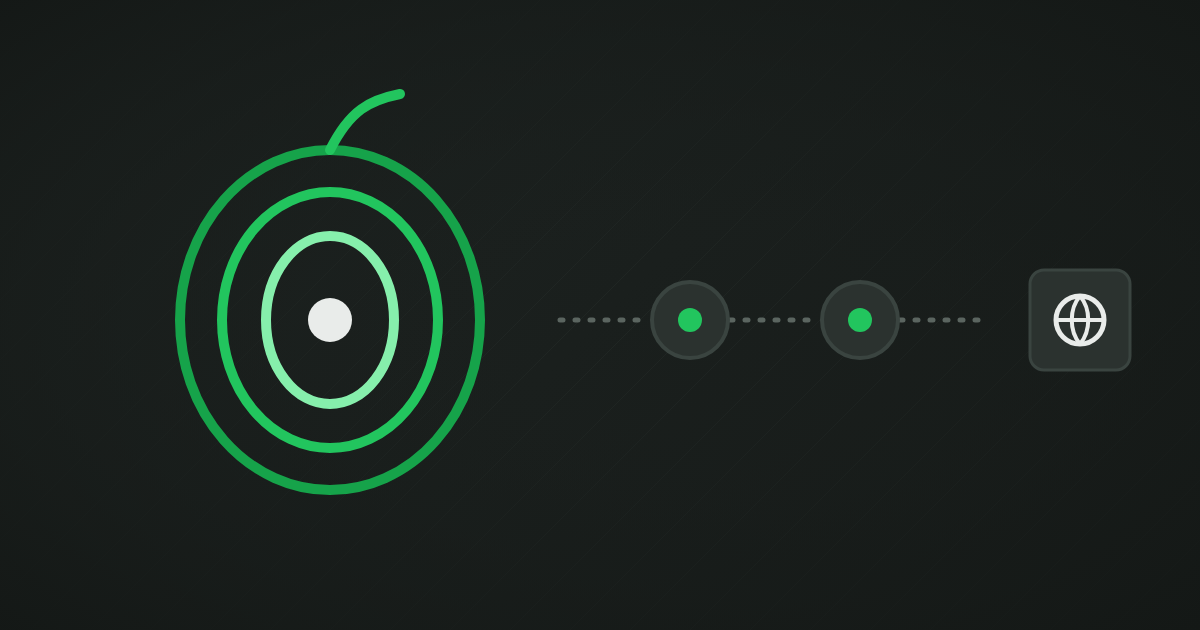 Tor for beginners: hiding your IP address when you swapEvery website you visit sees your IP address, and through it your rough location. Tor fixes that in a few minutes. Here is how to start.
-
 Backing up your seed phrase without creating a new riskA seed phrase backup has to survive fire, floods and time, without being easy to find. Here are the options, from simple to advanced.
-
 Fixed or floating rate: which should you pick when you swap?Most instant exchanges offer two kinds of rate. One locks in your amount, the other follows the market. Here is when each one makes sense.
-
 How to tell if a no-KYC exchange can be trustedNo ID required does not mean no risk. These are the signals we check before listing an exchange, and the ones you should check too.
-
 The travel rule, and why exchanges suddenly want to know who you are payingRegulators now expect exchanges to pass on who sends and who receives a transfer. Here is what the travel rule is, why it reaches self-hosted wallets, and what it means for you.