Running your own node: the privacy upgrade most people skip
Light wallets quietly tell someone else's server which addresses are yours. Running your own node fixes that. It is easier than it sounds.
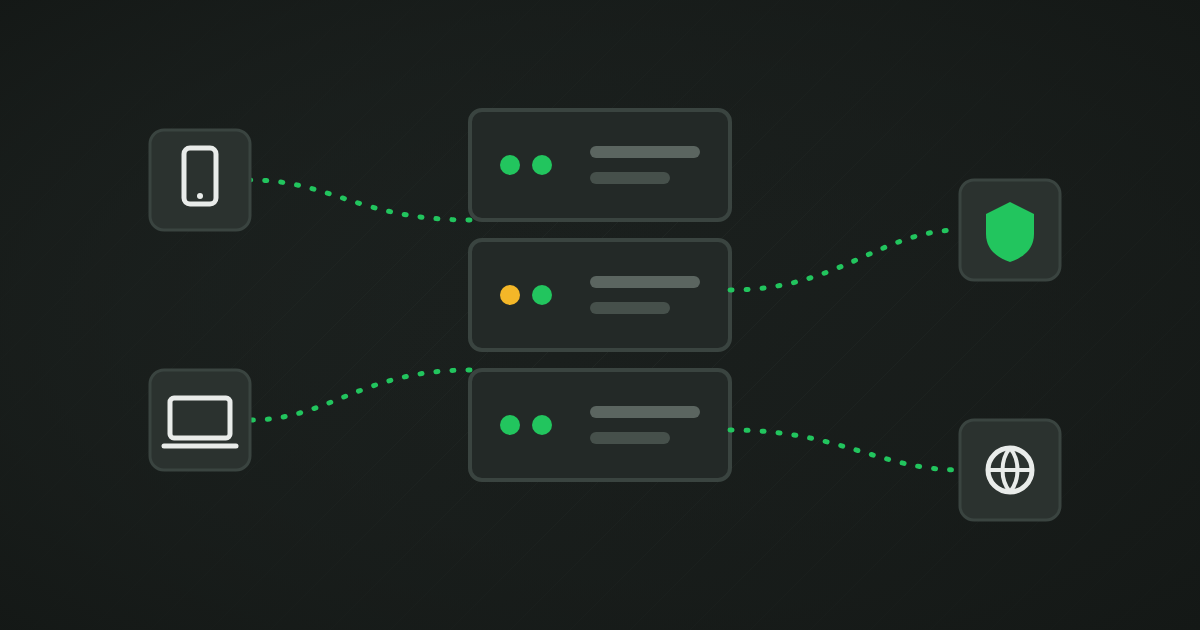
Most people never think about where their wallet gets its information. To show your balance, it has to ask the blockchain which coins belong to you. Unless you run your own node, it asks someone else.
What a light wallet reveals
A light wallet connects to a server run by the wallet maker or a third party and asks about your addresses. That server can see:
- every address in your wallet, grouped together,
- your balance and transaction history,
- your IP address, unless you use Tor.
You may trust the wallet company today. But that log can be sold, leaked or handed over later.
What a node does
A full node downloads and checks the blockchain itself. Your wallet then talks only to your node, so no outside server learns which addresses are yours. It also verifies the rules on its own, so you do not have to trust anyone about your balance.
Is it hard?
Less than it used to be.
- Bitcoin: Bitcoin Core runs on an ordinary computer. Pruned mode keeps disk use to a few gigabytes. Small plug-and-play node boxes exist too.
- Monero: the official wallet can run a local node with one click. A pruned node needs far less space than a full one.
Many wallets let you enter your own node's address in the settings. Some home node boxes also make it easy to reach your node over Tor while you are away.
Remote nodes for Monero
If you cannot run a node, Monero wallets can use a remote node. Your transactions stay private on-chain, but the node operator can see your IP address and when you use your wallet. If you must use one, connect over Tor.
The bottom line
Swapping on a no-KYC exchange keeps your identity out of the trade. Running your own node keeps your wallet from leaking it afterwards. Together, they close the two biggest gaps. Start with self-custody if you have not already.