Your ID is only as safe as the least careful exchange that has it
Every KYC check leaves a copy of your passport on someone else's server. Here is why that matters for crypto users, and what you can do about it.
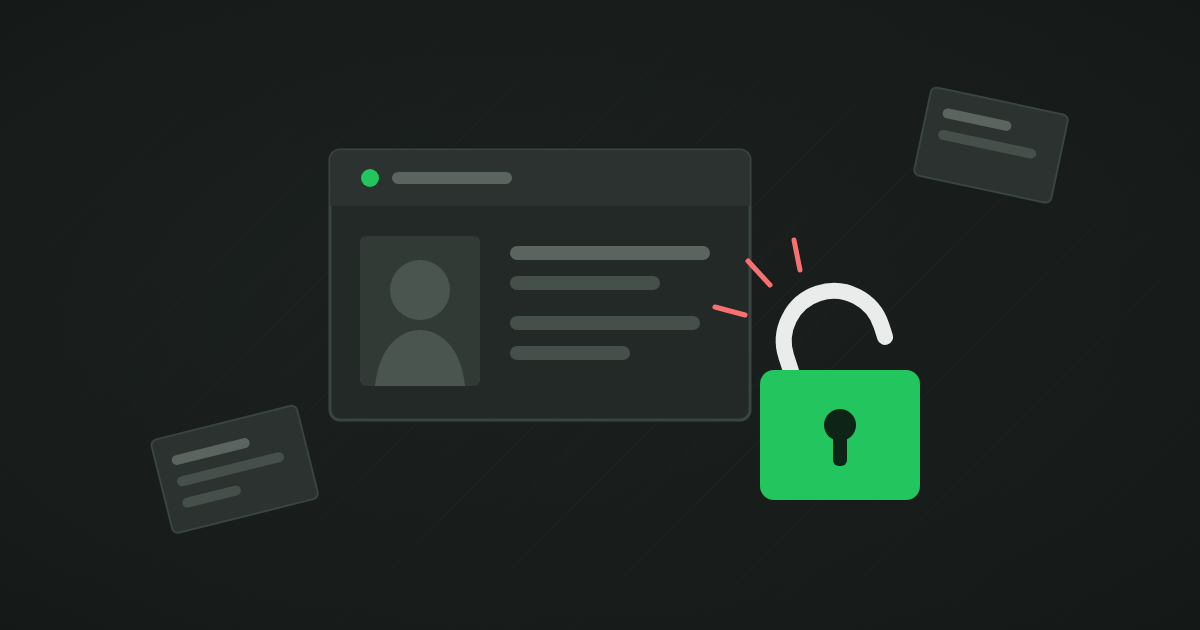
When you pass a KYC check, you do not just prove who you are once. You hand over a scan of your ID, often a selfie, sometimes a utility bill, and that bundle is stored for years. Financial rules usually require companies to keep it long after you close your account.
That is the part most people never think about. The risk is not the check itself. It is the copy that stays behind.
Why crypto users are a special target
A leaked email address is an annoyance. A leaked ID document tied to a crypto account is something else: it tells a criminal your real name, your home address and that you probably hold coins. Exchanges and the outside firms they use for identity checks have been breached before, and customer lists of hardware wallet buyers have ended up in public. People on those lists have reported phishing, extortion attempts and worse.
You cannot change your passport number the way you change a password. Once it is out, it is out.
The address problem
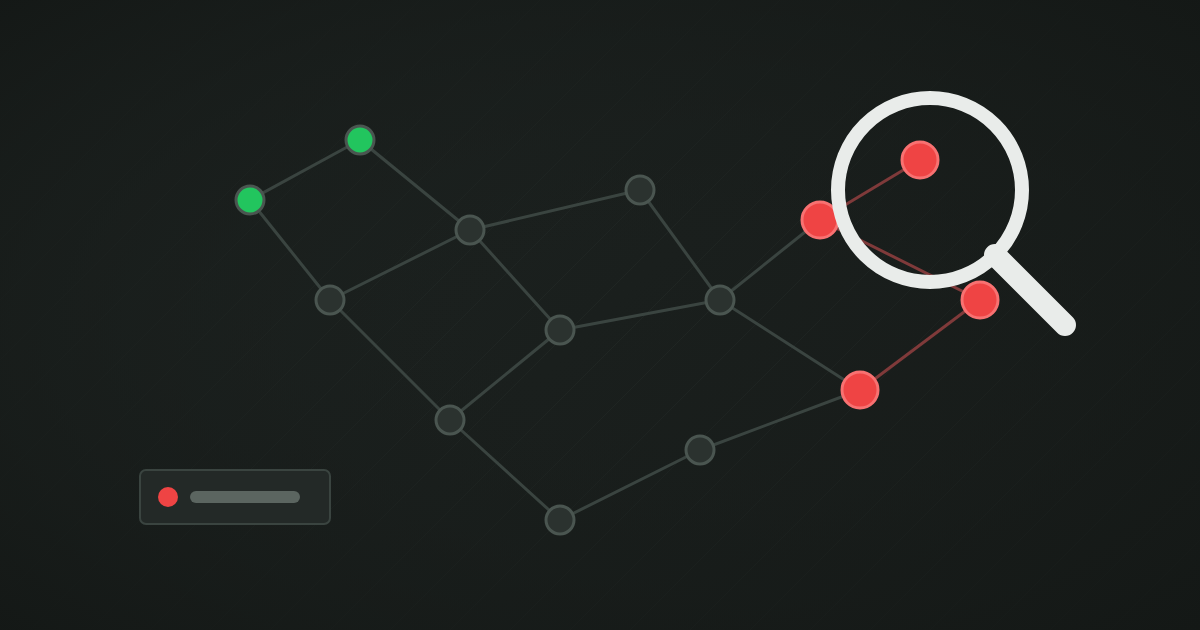
KYC also ties your name to every address you withdraw to. From that moment, anyone with access to the exchange's records, or to a blockchain analytics report built on them, can follow your coins forward. Every later payment you make from that wallet carries your name with it.
What you can do
- Use fewer KYC services. Every account you open is one more copy of your documents. Close the ones you no longer need and ask them to delete what they can.
- Keep KYC and private funds apart. Coins bought with ID should not be mixed with coins you want to keep private. Treat them as two separate wallets.
- Swap without an account where you can. Instant exchanges with a high KYC score on KYCHunter let you swap without uploading anything for everyday amounts.
- Take care with your address. Use a P.O. box or pickup point for hardware wallet deliveries if you can.
- Expect phishing. If your data has leaked, assume emails and messages about your account may be fake. Never enter your seed phrase anywhere.
Privacy is not about having something to hide. It is about not handing strangers a map to your savings.
The short version
The safest data is the data you never gave out. If you need to buy with ID, do it once, move the coins to your own wallet, and use no-KYC tools from there. Our KYC scores show which exchanges are least likely to ask.