Stablecoins and privacy: why your dollars on-chain can be frozen
Stablecoins feel like cash, but the companies behind them can freeze any address. Here is how that works and what it means for private users.
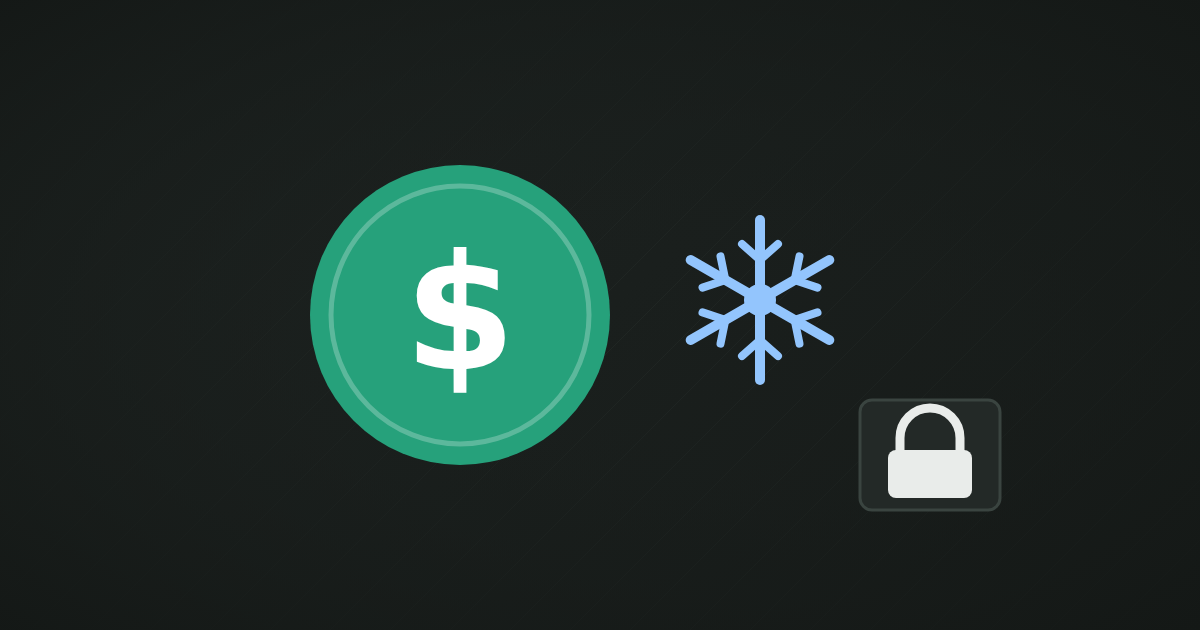
Stablecoins such as USDT and USDC are the most used tokens in crypto. They hold a steady dollar value, move fast and work on many blockchains. For privacy, though, they behave very differently from Bitcoin or Monero.
Issued by a company
A dollar stablecoin is issued by a company that holds reserves and promises to redeem tokens for dollars. That company controls the token contract.
Most major stablecoin contracts include a function that lets the issuer freeze any address, so the tokens in it can no longer move. Issuers use this in response to law enforcement requests, sanctions and hacks, and have frozen large amounts over the years.
What that means for you
- Your balance can be frozen without your involvement, even if you did nothing wrong, for example if you received tokens from an address that was later flagged.
- Every transfer is public, like any other token on a transparent chain.
- Exchanges watch stablecoin flows closely, because they are popular with both everyday users and criminals.
Using stablecoins more carefully
- Treat them as a tool, not a savings account, if privacy and control matter to you.
- Do not hold stablecoins you received from unknown sources longer than necessary.
- Prefer self-custody over leaving them on an exchange, while remembering that self-custody does not protect against an issuer freeze.
The private alternative
If you need to move value privately, swapping a stablecoin into Monero through an exchange with a high KYC score is a common route, and swapping back later when you need dollars again. Fees apply both ways, so compare rates first.
A stablecoin is only as free as its issuer allows. That is not good or bad; it is just something to know before you rely on it.
See how blockchain analytics flags your coins for why received funds can cause trouble later.