Private does not mean off the books: keeping records for yourself
Using no-KYC tools is legal in most places, and taxes still apply. A simple private record keeps you safe without giving your data to anyone.
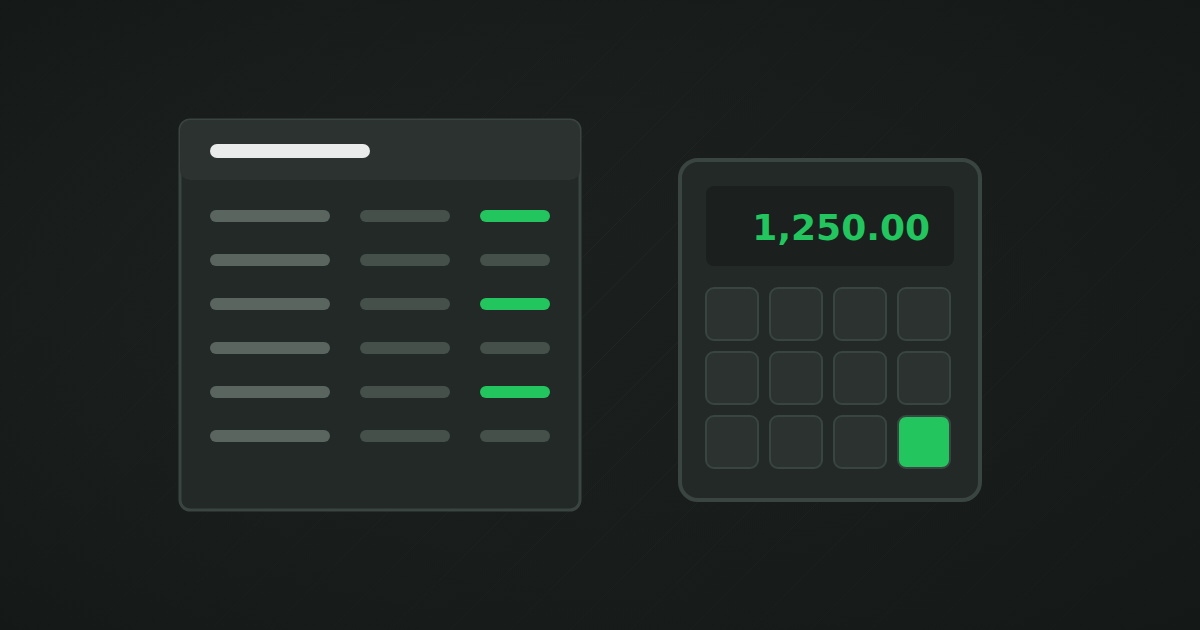
Privacy and paying your taxes are not opposites. In most countries, using an exchange that does not ask for ID is legal, and gains from crypto are still taxable. The difference is that you keep the records, instead of an exchange keeping them about you.
This post is general information, not tax advice. Rules differ a lot between countries; check yours or ask a professional.
Why keep records
- You may owe tax on swaps, not just on selling for cash. In many countries, swapping one coin for another counts as a sale.
- You may need to prove your costs. Without a record of what you paid, you could end up paying tax on the full value.
- You may need to explain your funds later, for example to a bank when you cash out a large amount.
What to write down
For every swap, buy or sale:
- Date and time
- What you gave (coin and amount)
- What you received (coin and amount)
- The value in your local currency at the time
- Fees paid
- The order ID and transaction IDs
Keeping it private
- Use a spreadsheet stored offline or in an encrypted file. Not a cloud-synced app you do not control.
- Back it up like any other important file.
- Avoid portfolio apps that ask you to connect wallets or import addresses to a company's servers, if privacy matters to you.
Make it a habit
Add a line right after each swap, while the order page is still open. Five seconds then saves hours of digging through block explorers at the end of the year.
The goal of financial privacy is control over who sees your data. Keeping your own books is part of that control.
When you swap on an exchange listed on KYCHunter, save the order ID from the exchange's page: it is the easiest way to look the swap up again later.