The travel rule, and why exchanges suddenly want to know who you are paying
Regulators now expect exchanges to pass on who sends and who receives a transfer. Here is what the travel rule is, why it reaches self-hosted wallets, and what it means for you.
If you have withdrawn from a large exchange recently, you may have been asked a new kind of question: who owns the wallet you are sending to? Is it yours? Is it another exchange? What is the person's name?
That question comes from the travel rule.
Where it comes from
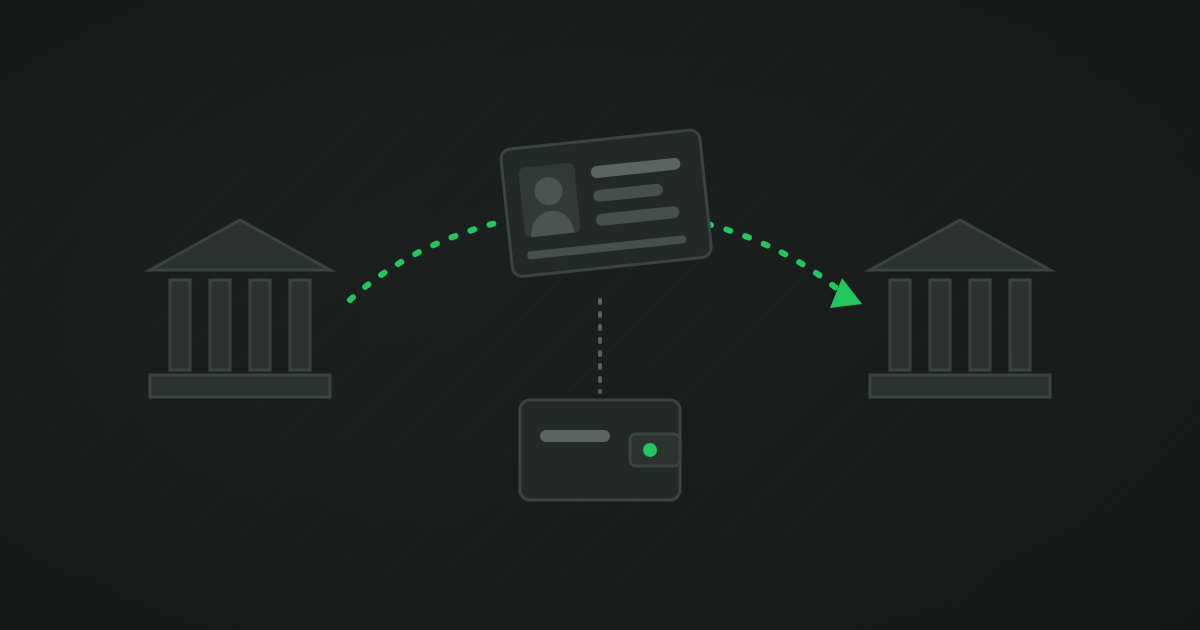
The travel rule is an old banking idea. When a bank sends a wire transfer, details about the sender and the receiver travel with the payment. International standards setters extended the same idea to crypto service providers, and many countries have turned it into law.
In practice, when you move coins from one regulated exchange to another, the sending exchange is expected to share your identity details with the receiving one.
Why it reaches your own wallet
The rule was written for transfers between companies. But a lot of crypto goes to self-hosted wallets that no company controls. Many exchanges now ask you to declare whether a withdrawal address is yours, and some ask you to prove it by signing a message or sending a small test amount.
For a privacy-minded user, that is the point where a personal wallet becomes linked to a name in a database.
What it means for you
- Expect more questions on KYC exchanges. It is not personal; it is compliance.
- Your declared addresses become part of your file. Anything you later send from them is easier to trace back.
- No-KYC instant exchanges usually sit outside this flow for everyday amounts, because they never collected your identity in the first place.
A sensible approach
- If you must use a KYC exchange, withdraw once to a wallet you control and treat that wallet as known.
- Move privately from there, for example by swapping to Monero on an exchange that does not ask for ID.
- Keep the two worlds apart. Do not send private funds back to the declared address.
The travel rule does not make privacy illegal. It just means every exchange that knows your name will also try to know your wallet.
Follow the law where you live. The aim is not to hide wrongdoing; it is to avoid handing your financial life to every database that asks for it.