A 10-step checklist for swapping crypto privately
Small habits make the biggest difference. Run through this list before every swap and you will avoid most of the mistakes that expose people.
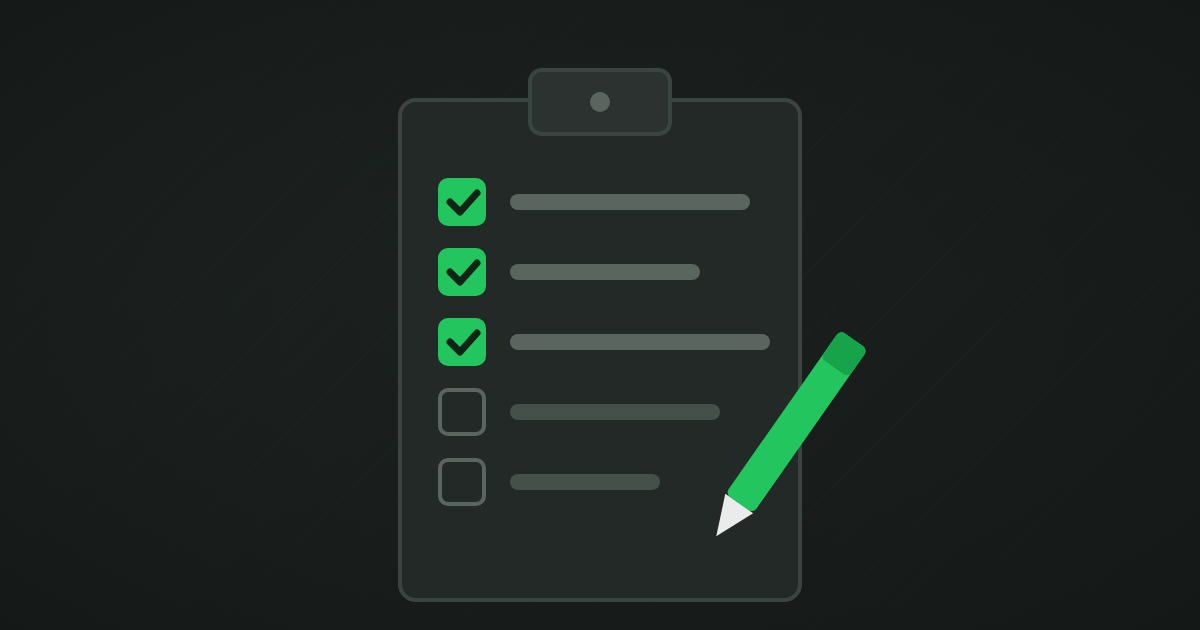
Most privacy failures are not clever attacks. They are small, avoidable mistakes made in a hurry. Keep this list open the next time you swap.
Before the swap
- Pick the exchange carefully. Check its KYC score, fee and whether it has a guarantee. Five stars means it does not ask for ID.
- Use a fresh receiving address. Generate a new address in your wallet for every swap. Never reuse one.
- Connect over Tor or a VPN. The exchange does not need your home IP address. Many no-KYC exchanges have onion sites.
- Avoid logging in. If an exchange lets you swap without an account, do that. No email means nothing to leak.
- Check the address twice. Clipboard malware swaps addresses. Compare the first and last characters after you paste.
During the swap
- Start small. Send a test amount first, especially with an exchange you have not used.
- Save the swap ID. Write down the order ID and the exchange's support contact. You will need both if something goes wrong.
- Send from a clean wallet. Coins that come straight from a mixer or a flagged service are the most likely to be held.
After the swap
- Let the coins settle. Do not send the received coins straight back to a KYC exchange. That links the two sides together again.
- Keep records for yourself. Taxes still apply in most places. Keep private notes, offline.
Treat privacy like a seatbelt: it only works if you use it every time.
You can compare exchanges by all of these points on the KYCHunter homepage, and use the filters to find ones with a guarantee or a 5-star score.