Bitcoin privacy basics: address reuse, change and coin control
Bitcoin is not anonymous, but a few habits make a big difference. Here are the three that matter most.
Every Bitcoin transaction is public forever. Anyone can see which addresses sent how much to which other addresses. You cannot change that, but you can avoid making yourself easy to follow.
1. Never reuse addresses
If you receive several payments to the same address, anyone who learns that one address belongs to you can see all of them, and your balance. Modern wallets give you a fresh address every time you press "Receive". Use it. Share a new address with every payer.
2. Understand change
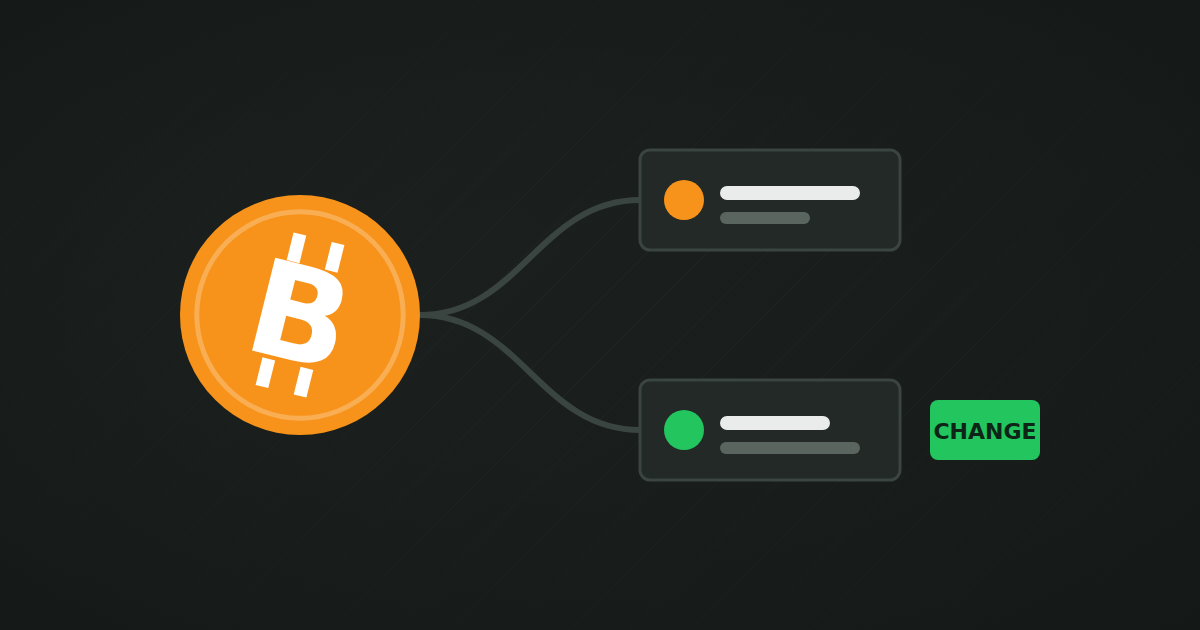
Bitcoin works like cash in a wallet. If you hold a 0.5 BTC "coin" and pay 0.1 BTC, the whole 0.5 is spent: 0.1 goes to the payee and 0.4 comes back to you as change, on a new address.
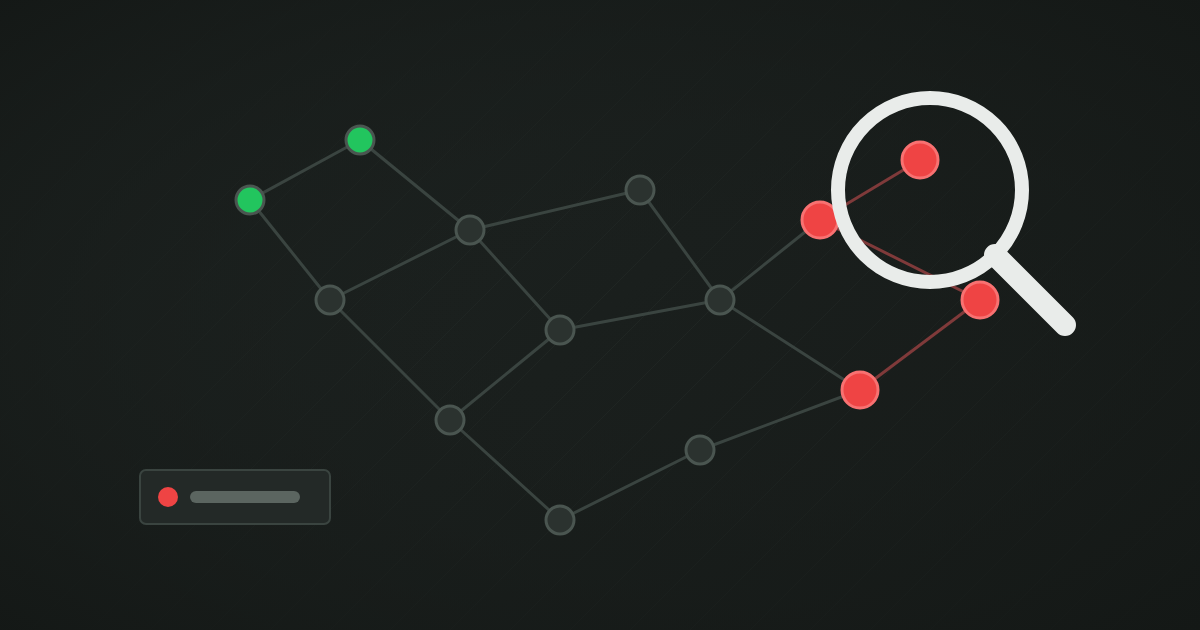
Blockchain analysis tries to guess which output is the change. When it guesses right, it can link your old and new addresses. Wallets try to make this harder, but large round payments and odd amounts can give it away.
3. Use coin control
Your wallet holds many separate coins, called UTXOs. When you spend, the wallet picks some of them. If it combines a coin you bought on a KYC exchange with one you received privately, the two are now linked forever.
Coin control lets you choose which coins to spend. Good wallets let you label coins ("from exchange", "private") and freeze the ones you do not want to touch.
Extra steps
- Run your own node so your wallet does not leak your addresses to a server. See running your own node.
- Connect over Tor to hide your IP address.
- Swap to Monero for payments you want to keep private, then swap back if you need to. Our guide to swapping bitcoin for Monero shows how.
Privacy on Bitcoin is not one tool. It is a set of small habits that add up.